Case Study: Successful Financial Strategies in the Maghreb Region
AC
Introduction
The Maghreb region, encompassing countries like Morocco, Algeria, and Tunisia, has witnessed notable economic growth over the past few decades. This growth is largely attributed to the implementation of successful financial strategies tailored to the unique characteristics of the region. In this case study, we will explore some of these strategies and their impact on the economic landscape.
Economic Diversification
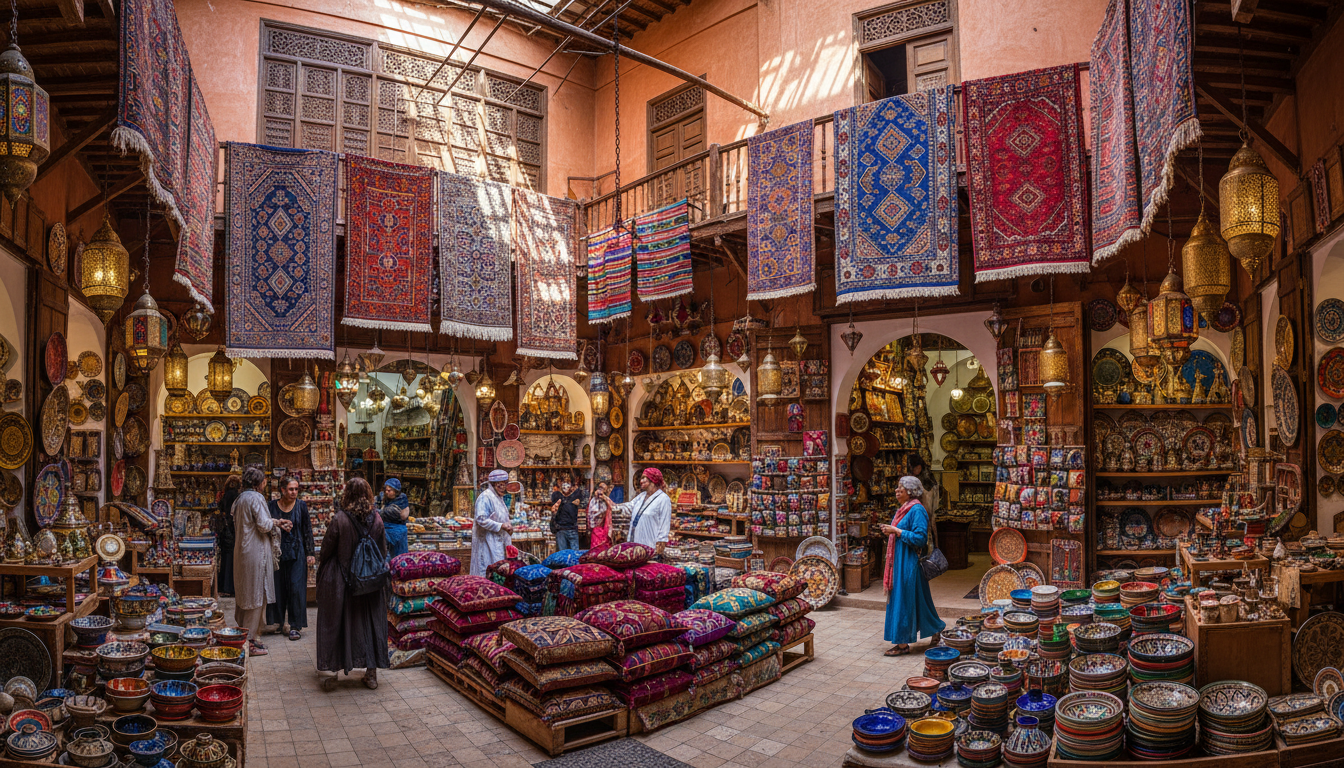
One of the key financial strategies employed in the Maghreb region is economic diversification. Traditionally dependent on agriculture and natural resources, countries have shifted towards sectors like tourism, manufacturing, and information technology. This diversification not only stabilizes the economy but also creates employment opportunities and attracts foreign investment.
The Role of Tourism
Tourism has become a cornerstone of economic growth in the Maghreb. With rich cultural heritage and stunning landscapes, countries have invested in infrastructure and marketing to boost this sector. The influx of tourists has led to increased revenue and job creation, further strengthening the region's financial stability.

Banking and Financial Reforms
Reforming the banking sector has been another critical strategy. By modernizing banking regulations and practices, the Maghreb region has improved financial inclusion and access to credit. This has empowered small businesses and entrepreneurs, fostering innovation and economic resilience.
Microfinance Initiatives
Microfinance initiatives have played a vital role in supporting low-income individuals and small enterprises. By providing access to small loans, these initiatives enable people to start and grow businesses, contributing to overall economic development. The success of microfinance in the Maghreb has inspired similar models globally.

Trade Agreements and Partnerships
Strategic trade agreements and international partnerships have been pivotal in enhancing the Maghreb region's economic performance. By opening up markets and reducing trade barriers, countries have increased exports and attracted foreign investment. These agreements have fostered economic integration within the region and beyond.
Impact on Local Industries
The impact of trade agreements on local industries has been significant. By exposing local businesses to international markets, these agreements have driven innovation and competitiveness. As a result, many industries have experienced growth, leading to job creation and improved living standards.

Conclusion
In conclusion, the Maghreb region's successful financial strategies have transformed its economic landscape. Through diversification, banking reforms, microfinance, and strategic trade agreements, countries have achieved sustainable growth. These strategies serve as a model for other regions seeking to enhance their economic resilience and prosperity.