Expert Insights: Navigating the Financial Landscape of the Maghreb
AC
Understanding the Maghreb's Economic Climate
The Maghreb region, comprising Algeria, Libya, Mauritania, Morocco, and Tunisia, presents a unique and dynamic financial landscape. With a mix of resources, cultures, and political influences, understanding this region's economic climate is essential for investors and businesses looking to tap into its potential. The Maghreb's economy is primarily driven by natural resources, agriculture, and a growing service sector, particularly in tourism.
Each country in the Maghreb has its distinct economic characteristics. Algeria and Libya, for example, are heavily reliant on oil and gas exports, while Morocco and Tunisia have more diversified economies with significant contributions from agriculture and manufacturing. The region's strategic location, bridging Europe, Africa, and the Middle East, further enhances its economic significance.
Key Economic Drivers
Natural resources remain a cornerstone of the Maghreb's economy. Algeria and Libya are among the top oil producers in Africa, while Morocco is the world's largest exporter of phosphates. However, the volatility of global oil prices poses challenges, making economic diversification a priority for these nations.
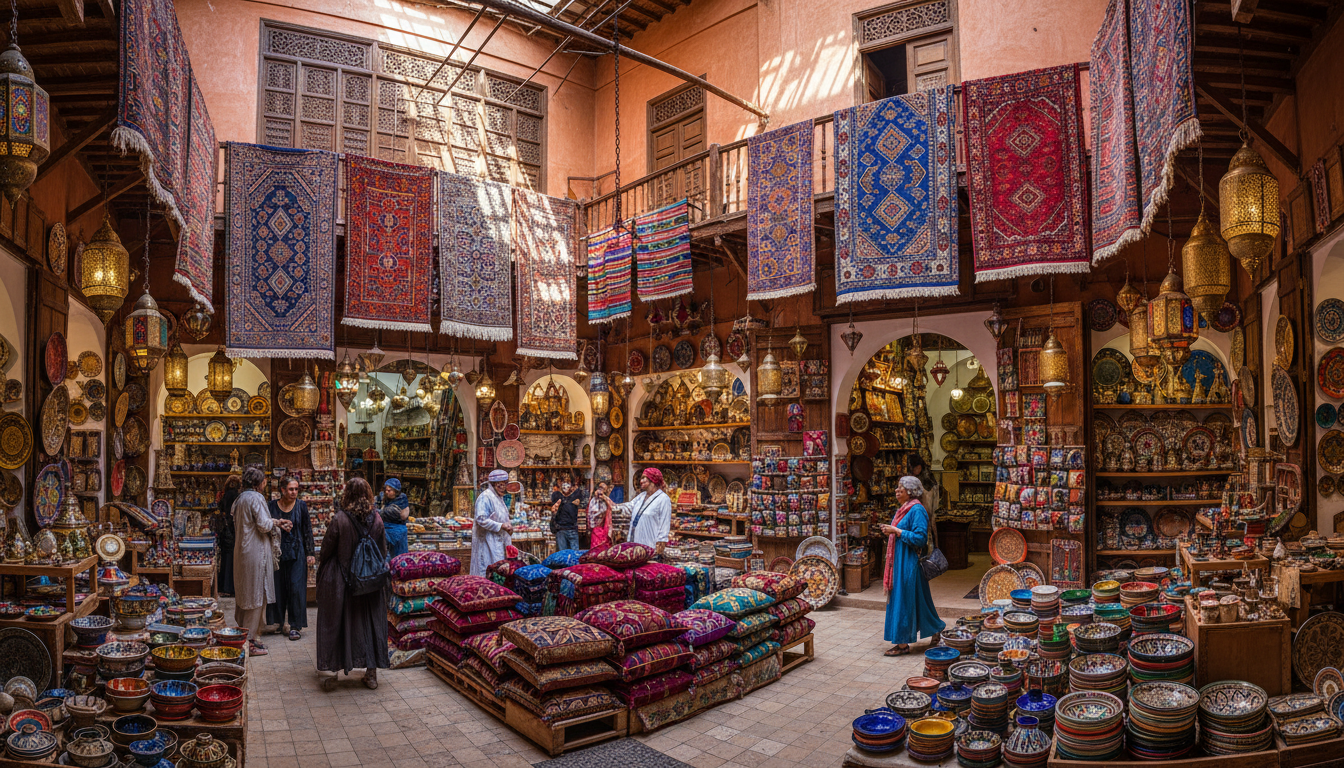
Agriculture plays a crucial role, particularly in Morocco and Tunisia, where olives, citrus fruits, and dates are major export items. The tourism industry is another vital sector, with Morocco attracting millions of visitors each year to its historic cities and natural landscapes.
Challenges and Opportunities
Despite its potential, the Maghreb faces several economic challenges. Political instability, especially in Libya, and bureaucratic inefficiencies can hinder foreign investment. Additionally, the region must address high unemployment rates and economic inequality to ensure sustainable growth.

However, opportunities abound for those willing to navigate these complexities. Investing in renewable energy, particularly solar power, is gaining traction as countries aim to reduce their dependency on fossil fuels. The Maghreb's young population also presents a vast potential workforce and consumer market.
Investment Insights
For investors, understanding the regulatory environment is crucial. While Morocco offers a relatively stable and welcoming investment climate, other countries may require more diligence and risk assessment. Building local partnerships can be a strategic advantage, providing insights and easing market entry.
It's also essential to stay informed about regional trade agreements and initiatives. The African Continental Free Trade Area (AfCFTA) aims to enhance intra-African trade, potentially benefiting the Maghreb's economic integration and growth.

Future Prospects
The Maghreb's future economic prospects depend on both internal reforms and external factors. Continued efforts in economic diversification, infrastructure development, and political stability will be key to unlocking the region's full potential. As global interest in Africa grows, the Maghreb is well-positioned to attract investment and drive economic progress.
In conclusion, the Maghreb offers a promising yet complex financial landscape. By leveraging its resources, strategic location, and youthful population, the region can achieve sustainable economic growth. For businesses and investors, understanding and adapting to the nuances of the Maghreb is essential for success.