
Seasonal Business Trends in the Caribbean and ASEAN Markets
AC
Understanding Seasonal Business Trends
Seasonal business trends play a crucial role in shaping markets worldwide, and the Caribbean and ASEAN regions are no exception. These trends are influenced by various factors, including climate, cultural events, and economic cycles. Understanding these patterns can help businesses optimize their strategies and maximize their profits.
In both the Caribbean and ASEAN regions, tourism is a significant industry, heavily impacted by seasonal changes. Recognizing the high and low seasons can help businesses tailor their offerings to meet demand fluctuations.

Tourism Trends in the Caribbean
The Caribbean is a popular destination for travelers seeking sunshine and relaxation. The peak tourist season typically runs from December to April, coinciding with the cooler months in North America and Europe. During this period, businesses can expect higher demand for accommodations, dining, and recreational activities.
Conversely, the hurricane season from June to November can lead to a downturn in tourist arrivals. Businesses often offer discounts and promotions to attract visitors during these months. Understanding these dynamics allows companies to plan effectively and maintain steady revenue streams.
Agricultural Cycles in ASEAN
In the ASEAN region, agriculture is a key economic sector. Seasonal changes significantly impact crop production, influencing both local and global markets. For instance, rice harvesting in countries like Thailand and Vietnam occurs primarily from September to December, affecting supply chains and pricing.
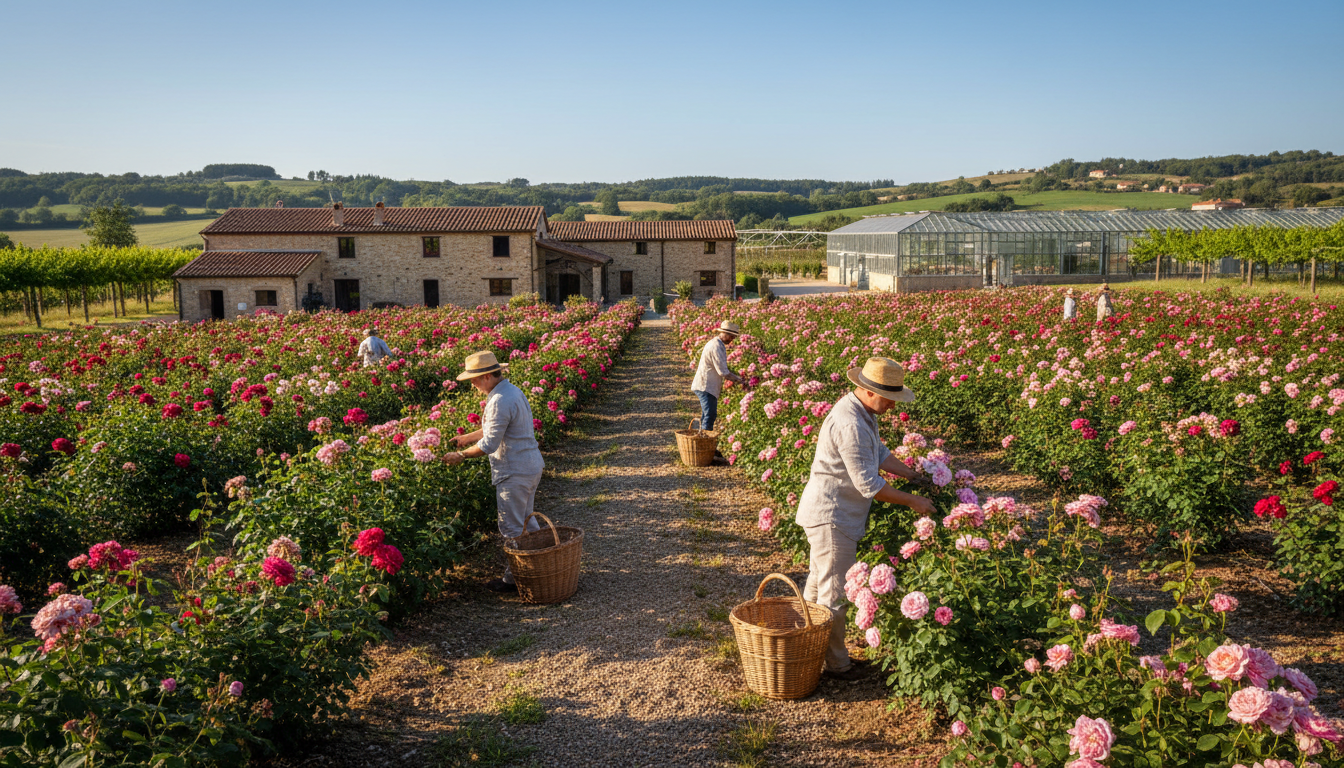
Businesses involved in agricultural trade must stay informed about planting and harvesting schedules to manage inventory and logistics efficiently. Additionally, weather patterns such as monsoons can create challenges, requiring adaptive strategies to mitigate risks.
Retail and Festive Seasons
The Caribbean and ASEAN regions both experience unique festive seasons that drive consumer spending. In the Caribbean, Carnival is a major event, drawing tourists and boosting retail and entertainment sectors. Businesses can capitalize on this by offering themed products and services.
Similarly, ASEAN markets see increased activity during festivals like Lunar New Year and Diwali. Retailers often prepare months in advance to meet the surge in demand for gifts, clothing, and food items. Leveraging these festive seasons can lead to significant sales growth.

Adapting to Economic Cycles
Economic cycles also play a role in shaping business trends. In both regions, economic growth and stability can influence consumer confidence and spending habits. During periods of economic expansion, businesses may see increased investment opportunities and consumer expenditures.
Conversely, economic downturns require companies to adopt cost-effective measures and innovate to maintain competitiveness. Staying attuned to these cycles can help businesses navigate challenges and seize opportunities.
Conclusion
Understanding and adapting to seasonal business trends in the Caribbean and ASEAN markets is vital for success. By recognizing the impact of tourism, agriculture, festive seasons, and economic cycles, businesses can craft strategies that align with market demands and optimize performance.
Whether it's adjusting marketing campaigns, managing supply chains, or innovating product offerings, a keen awareness of these trends can provide a competitive edge in these dynamic regions.